The Burning Ritual
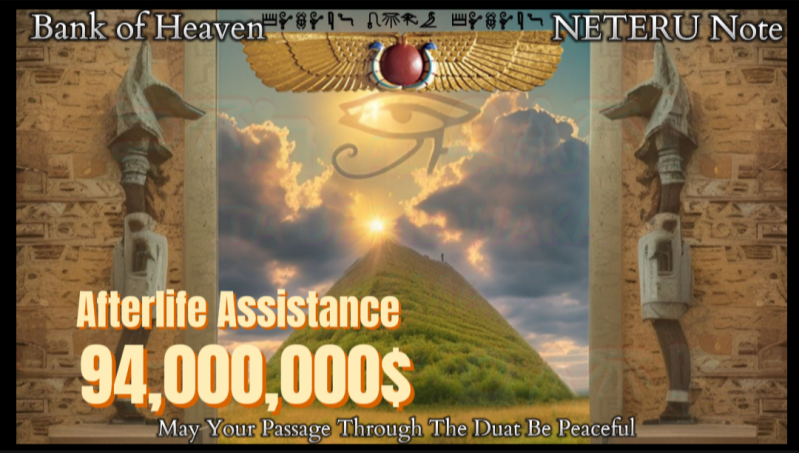
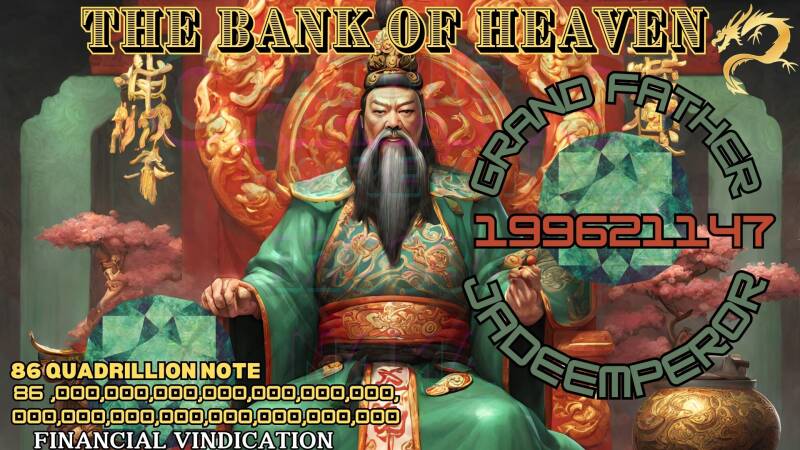
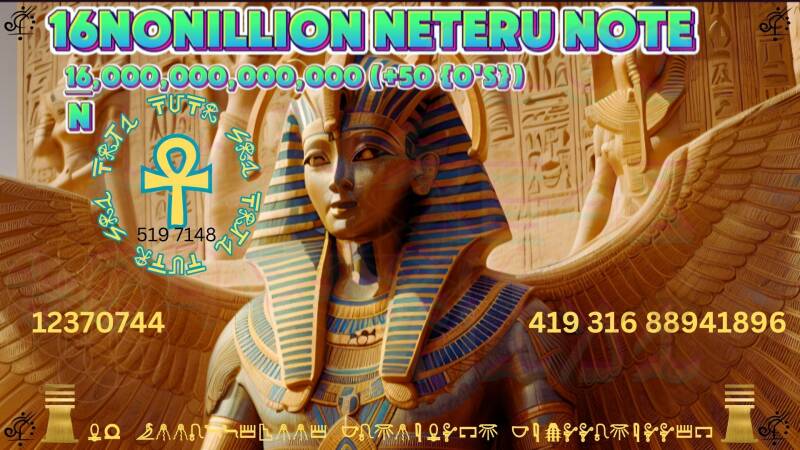
The burning ritual of Heaven Bank Notes is a vital component of ancestral veneration, steeped in profound symbolism and cultural significance. During the ritual, family members gather around the ancestral altar, often accompanied by offerings of food and incense. The Heaven Bank Notes are then carefully burned, a process believed to transfer the symbolic currency to the ancestors in the afterlife. As the notes turn to ash, the smoke is thought to carry the monetary value directly to the spirit realm, ensuring that the ancestors receive the financial support they need. This act serves as a tangible expression of filial piety, demonstrating respect and care for one's forebears. The burning ritual is not merely a ceremonial act but a heartfelt gesture that reinforces the connection between the living and the deceased. It ensures that the ancestors are well-provided for, promoting their comfort and prosperity in the spiritual world, which, in turn, brings blessings and protection to the living family.
Resolving Ancestors' Needs
Heaven Bank Notes play a crucial role in addressing the financial needs of ancestors in the afterlife. According to traditional beliefs, the spirit realm mirrors the material world, where financial stability is essential for comfort and prosperity. By burning these notes, descendants symbolically provide their ancestors with the means to resolve any financial issues they may encounter in the afterlife. This act is seen as a way to ensure that ancestors live in peace and abundance, free from want or hardship. Additionally, it is believed that well-provided ancestors will, in turn, bless the living with protection, guidance, and good fortune. Thus, the ritual of offering Heaven Bank Notes is not just about honoring the dead but also about fostering a reciprocal relationship where the well-being of the ancestors directly impacts the prosperity of the living descendants. This practice underscores the deep interconnection between the two realms.